Master the Art of Indoor Growth

Comprehensive care guides, straightforward beginner tips, and expert advice on light, watering, and soil management for your rare botanical collection.

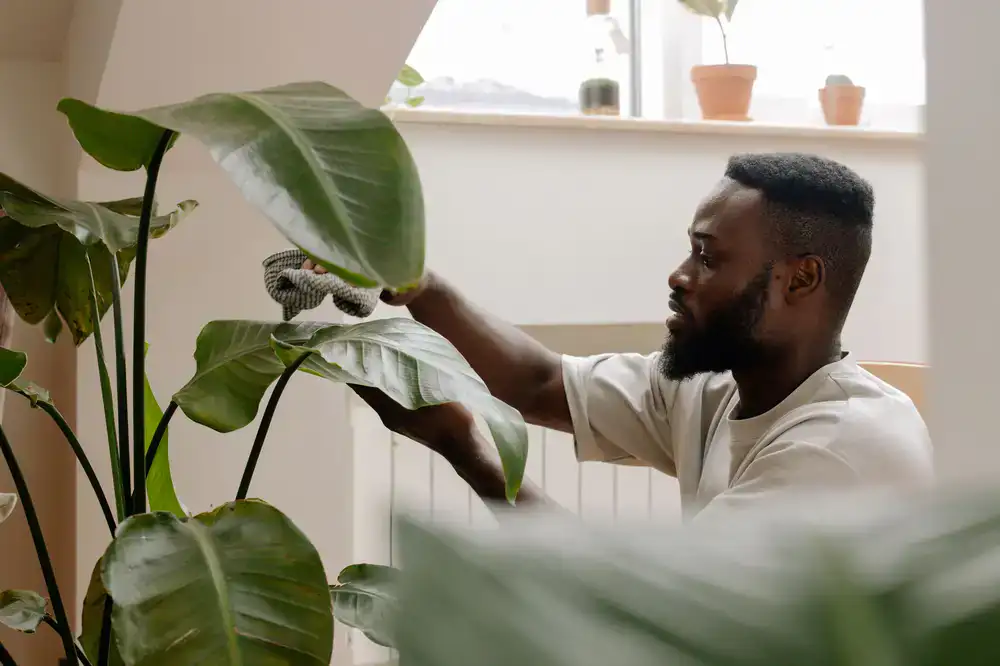
Person carefully wiping a large Monstera leaf
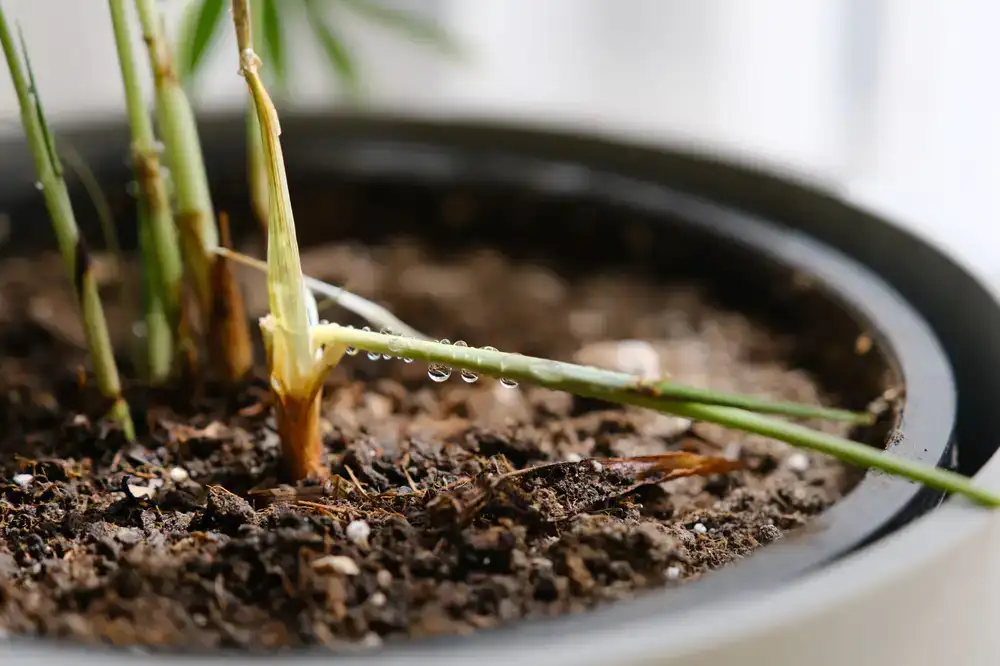
Close-up of well-draining chunky aroid soil mix
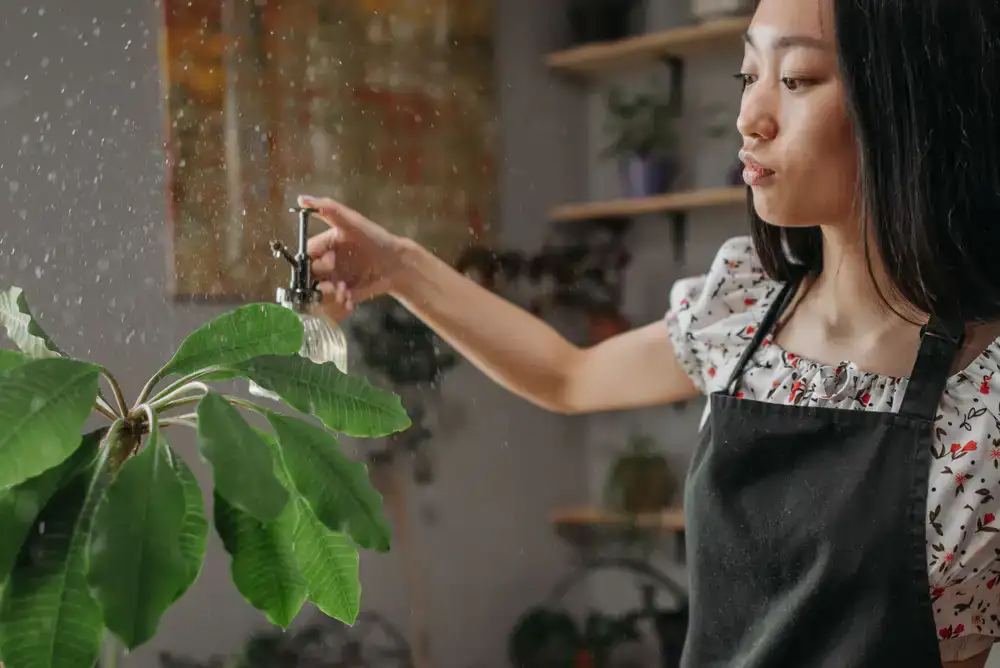
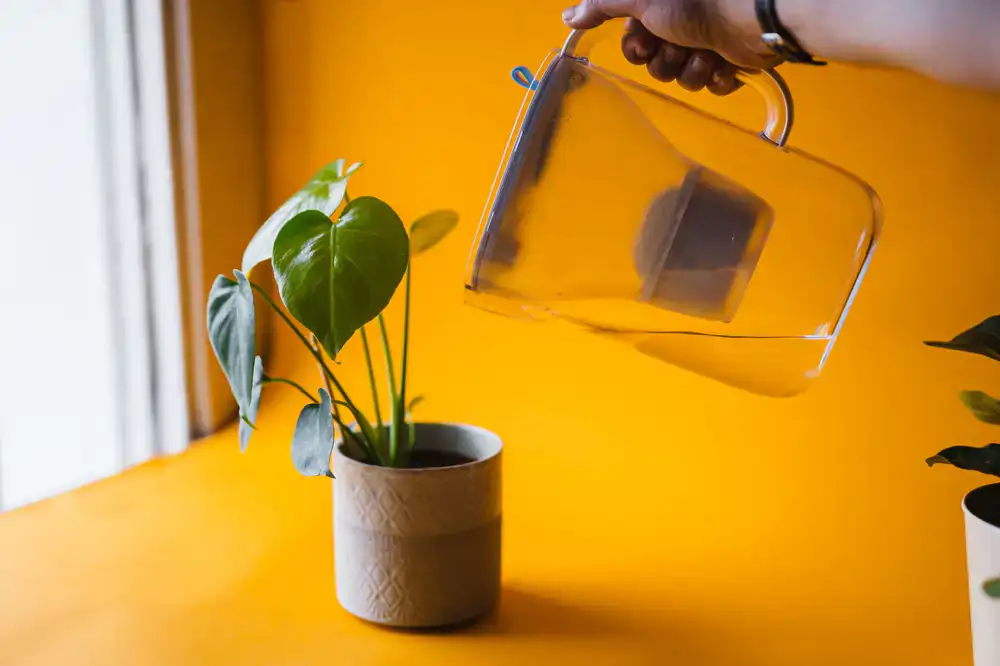
Watering a rare Philodendron

The Core Elements

Every rare plant thrives on a delicate balance. Master these three foundational aspects to keep your collection flourishing year-round.

01 / Light

Understanding Sun Exposure

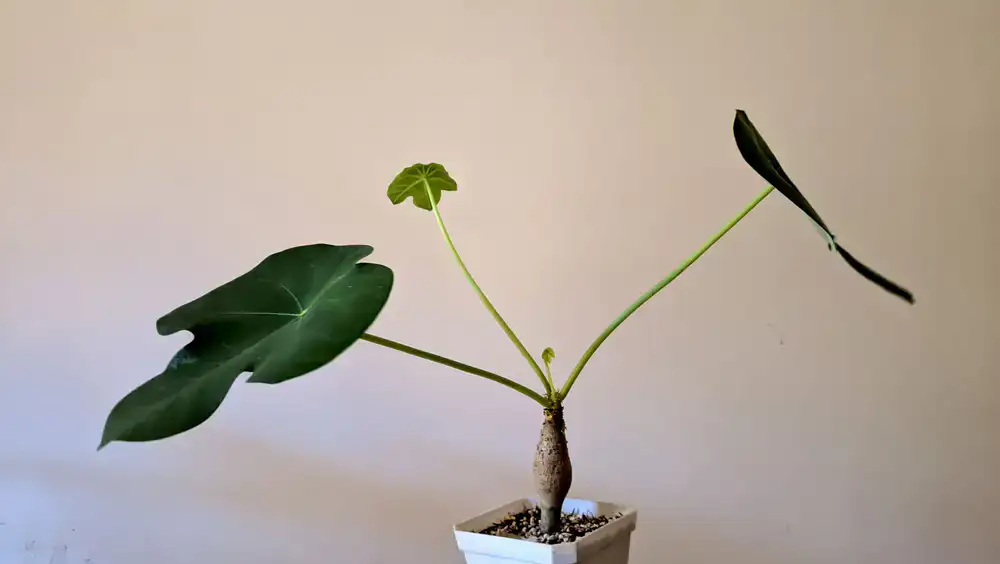
Most rare aroids prefer bright, indirect light. Direct sun can scorch delicate leaves, while too much shade halts growth and reduces variegation. Positioning is everything when recreating a tropical understory environment.

Shop low-light tolerant species
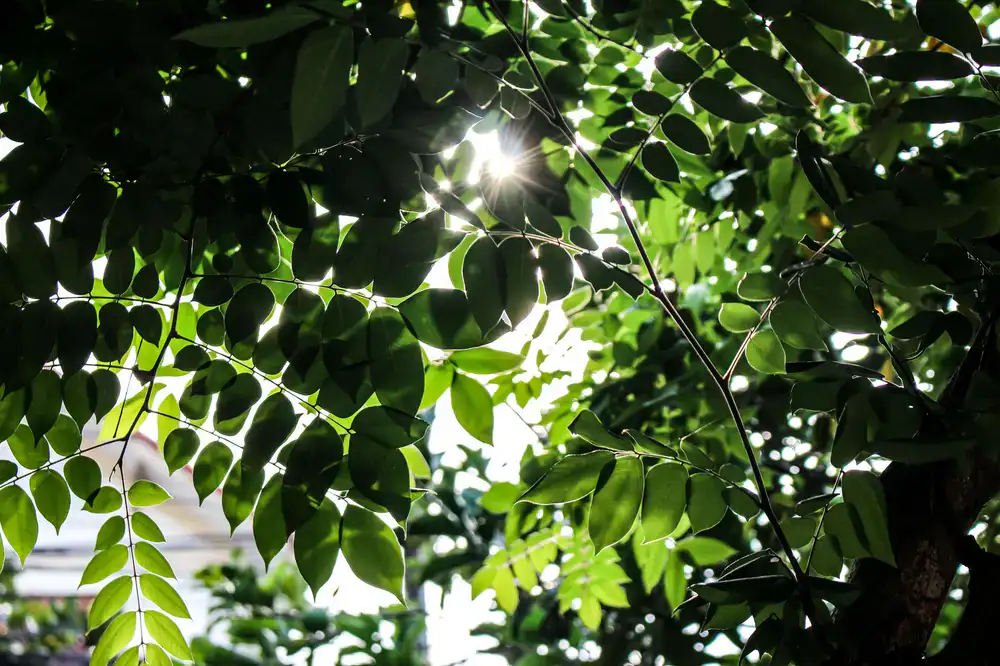
Sunlight filtering through tropical leaves
02 / Water

Hydration Dynamics

Overwatering is the leading cause of root rot. Learn to read the soil moisture using a moisture meter or the classic finger test, rather than sticking to a strict calendar schedule.

Detail of chunky aroid soil mix
03 / Soil

The Right Substrate

Rare tropicals require airy, chunky soil mixes to allow roots to breathe. We utilize precise blends of orchid bark, perlite, pumice, and premium potting soil to mimic their natural environment and promote robust root systems.

Routine Care in Three Phases

Consistent observation and timely intervention build the foundation of a healthy indoor jungle. Follow these simple phases to seamlessly integrate plant care into your weekly routine without feeling overwhelmed.

Botanist inspecting a plant leaf in a well-lit room
1

Observation & Assessment

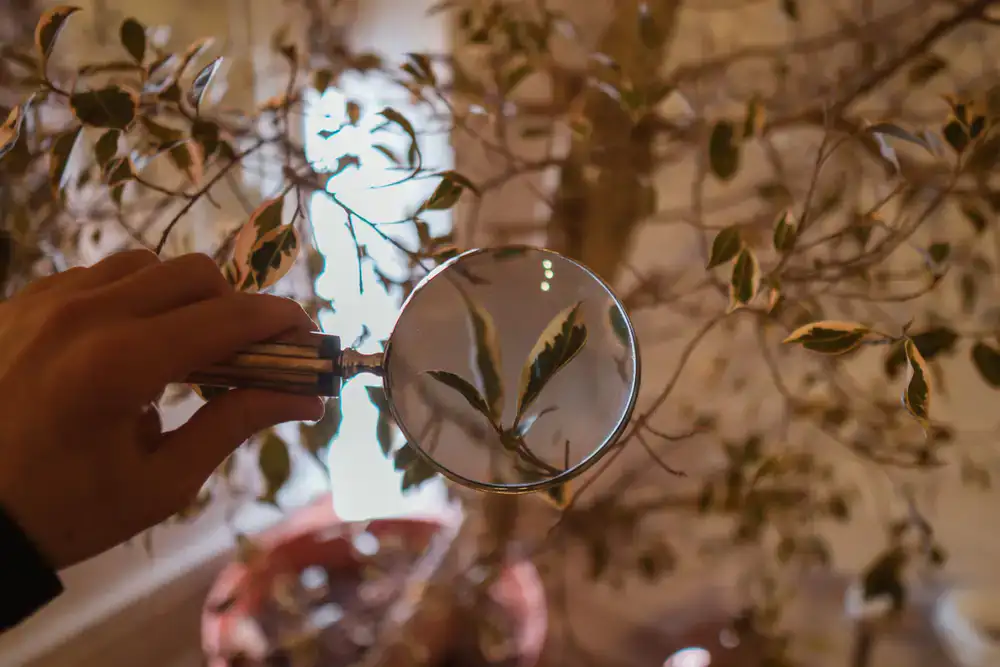
Before acting, simply inspect your plants. Look for signs of new growth, check under the leaves for any microscopic pests, and gently lift the pot to gauge soil moisture levels based on its weight.

2

Targeted Hydration

Water only the specimens that truly need it. Ensure the water drains completely through the nursery pot to flush out accumulated salts, always emptying the decorative cachepot to prevent standing water.

3

Foliage Maintenance

Wipe large leaves gently with a damp, soft cloth. Dust accumulation blocks light absorption, slowing down the plant's ability to photosynthesize. Clean foliage is essential for long-term vitality.

Symptom Checker

Plants communicate through their leaves and stems. Learn to interpret their visual signals quickly, allowing you to address minor issues before they become major problems.

Yellowing Leaves (Chlorosis)

Often the very first sign of distress. If the bottom leaves turn yellow and soft, it is typically a sign of overwatering or poor drainage. Conversely, if top new leaves turn yellow, suspect a nutrient deficiency or lack of adequate light.

High Priority Indicator

Brown Crispy Edges

Usually indicates low ambient humidity or inconsistent watering habits. Consider adding a humidifier or grouping plants together to create a microclimate.

Drooping Soft Stems

A classic sign of severe thirst. However, if the soil is already wet and the plant droops, the root system may be compromised by rot.

Magnifying glass inspecting a plant leaf for pests

Still Unsure?

Some symptoms overlap significantly and require an expert diagnosis. Don't guess if you're dealing with a rare or sentimental specimen.

Reader Comments

M

M. T.

"The tip about checking soil moisture by pot weight completely changed how I water my monsteras. No more root rot!"

P

P. R.

"I never realized how much dust was blocking light from my plants. Wiping the leaves down has made a huge difference in their growth rate."

When Home Care Isn't Quite Enough

Some botanical issues require professional intervention. Bring your struggling specimens to our dedicated facility for expert diagnosis, specialized repotting, and comprehensive rehabilitation services.

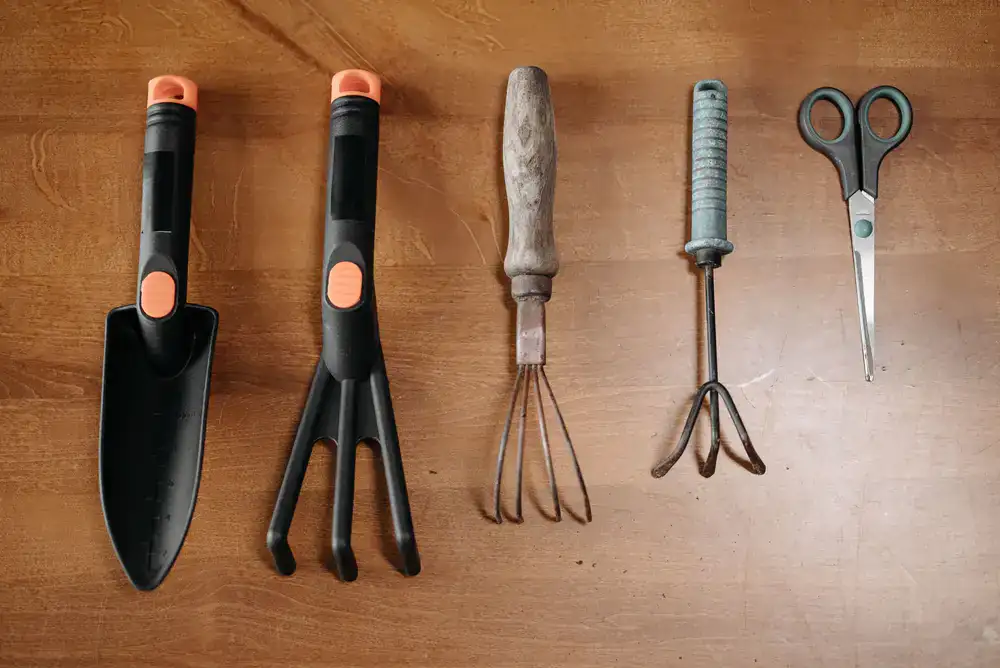
Professional plant care tools arranged neatly